
The evolution of gambling tracing its history and cultural significance
The Origins of Gambling
The practice of gambling can be traced back to ancient civilizations, where it was intertwined with various cultural and religious practices. Archaeological evidence suggests that forms of gambling, such as dice games and betting on animal races, were prevalent in Mesopotamia around 3000 BC. These early forms of gambling served not only as entertainment but also played a role in social bonding and ritualistic ceremonies. Today, platforms like in8-casino.com offer exciting gaming experiences reminiscent of those ancient times.
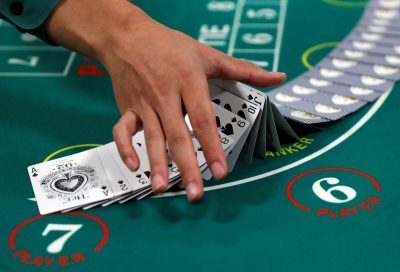
In ancient Rome and Greece, gambling evolved further, becoming a popular pastime among the elite. The Romans introduced more structured betting systems, which included betting on gladiatorial combat and chariot races. This shift indicated a growing complexity in gambling practices, reflecting the societal values and leisure activities of the time.
The Middle Ages and Cultural Shifts
During the Middle Ages, gambling underwent significant transformations, often influenced by the social and religious attitudes of the period. The Church viewed gambling with suspicion and often condemned it as a vice. However, despite this, gambling persisted and evolved into various forms, including card games, which became increasingly popular across Europe.
The invention of playing cards in the 14th century marked a turning point in gambling history. These cards became vehicles for a variety of games that fostered not only entertainment but also social interaction. The cultural significance of card games reflected the changing dynamics of society, as they provided a means for individuals to connect and engage in friendly competition.
The Rise of Modern Gambling
The 19th century saw the birth of modern gambling as we know it today. The establishment of casinos in Europe and the legalization of betting in various jurisdictions marked a new era. This period also witnessed the introduction of the lottery, which became a popular means of raising funds for public projects, showcasing the dual nature of gambling as both entertainment and community benefit.
As the industrial revolution progressed, gambling gained further legitimacy and popularity. The proliferation of horse racing tracks and the establishment of gaming regulations contributed to a more organized gambling environment. This period laid the groundwork for the extensive gambling industry that would flourish in the 20th century.
Psychological Aspects of Gambling
Gambling is not merely a pastime; it also taps into deep psychological motivations. Many gamblers are driven by the thrill of risk and the potential for reward, which can activate the brain’s reward system. This psychological aspect can lead to addictive behaviors, as the highs of winning can overshadow the realities of losses. It is crucial to address these components in the broader conversation about gambling.
Moreover, the social environment in which gambling occurs influences individual behavior. Group dynamics in casinos or online platforms can foster a sense of community, but they may also exacerbate competitive urges. Understanding these psychological components is essential for addressing the challenges associated with gambling addiction and for developing responsible gaming policies.

Online Gambling and Its Cultural Significance
The advent of the internet has revolutionized the gambling landscape, making it more accessible than ever before. Online casinos and betting platforms have emerged, allowing players to engage in gambling from the comfort of their homes. This accessibility has changed the cultural significance of gambling, making it a prevalent form of entertainment across various demographics.
As online gambling continues to grow, it brings with it unique challenges and opportunities. The blend of technology and gaming has created a vibrant digital community that celebrates both strategy and chance. Understanding this new frontier is crucial for players and industry stakeholders alike, ensuring that the evolution of gambling remains both enjoyable and responsible.