

Discover how fleet management software streamlines operations, reduces errors, and supports sustainability. From IoT integration to mobile access, learn how to optimize your fleet. IT asset inventory management ensures optimal asset utilisation, cost efficiency, and risk reduction while improving security and decision-making. Fleet management strategies help reduce costs, optimize operations, improve vehicle longevity, enhance safety, and leverage technology for better performance. IT lifecycle management optimizes costs, security, and efficiency by managing technology from planning to decommissioning—key phases, risks, and best practices. Moreover, using paid solutions can help integrate other business systems, such as accounting and CRM software.

Regulatory and Compliance Issues
Additionally, ensuring that your software complies with relevant privacy laws is essential. In-house bookkeeping provides direct oversight and familiarity with your business needs. Having a dedicated team can facilitate remote bookkeeping smoother communication and tailor processes to specific demands.
What is inventory accounting?
Inventory management systems should cater to the Generally Accepted Accounting Principles (GAAP), which standardize the financial reporting of inventory. By conforming to these principles Car Dealership Accounting and conducting regular audits, businesses can avoid the common pitfalls of non-compliance, such as penalties or detrimental financial adjustments. Each industry may have its own set of standards, and businesses must ensure their inventory management practices are aligned accordingly. The duties involved in complying with industry standards can range from maintaining specific documentation to meeting reporting intervals. One must maintain accurate inventory records to fulfill insurance requirements and tax obligations.
The Role of Bookkeeping in Inventory Management
- You can order your dinner, pay your bills, and check your account balances all while sitting in your home comfortably.
- Mobile solutions address ERP shortcomings by enabling on-the-go inventory management.
- Moreover, miscommunication, human errors, and an outdated tracking system can cause stock discrepancies and delays.
- Explore stocktaking methods, the benefits of cloud-based software, and answers to FAQs.
- It’s typically only used for very high-cost and unique items such as cars or rare diamonds.
In the LIFO method, you assume that the items bought last are the ones that are sold first. This inventory costing method doesn’t typically follow the natural flow of inventory but can be advantageous in times of inflation, as it leads to higher COGS and lower taxable income. When defects occur in machinery and equipment, it is not uncommon for hectic situations to arise.
This step ensures that quantities, quality, and specifications match expectations, reducing errors caused by supplier-related discrepancies. While virtual bookkeepers work with several clients at once, they are always able to make time to address your questions and discuss any of your business’s financial matters. These professionals will give your business the same care and attention as a full-time, in-house bookkeeper, but on a part-time budget. You can order your dinner, pay your bills, and check your account balances all while sitting in your home comfortably.
These systems provide real-time updates on stock levels, automate reorder points, and reduce human error. Integration with other business systems, like sales or procurement software, enhances visibility and minimizes discrepancies across departments. Inventory management software platforms have become indispensable in managing complex inventories. These systems offer a centralized database for tracking stock levels, orders, sales, and deliveries. They can integrate with other business systems, such as accounting and customer relationship management (CRM) software, to provide a holistic view of operations. Advanced platforms feature dashboards and reporting tools that give managers actionable insights into inventory performance, facilitating strategic decision-making.

Accounting Methods for Inventory
Some locations order the same products from different vendors, while others handle the reordering for every location. No matter your business’s ordering challenges, optimizing your company’s reordering process can help boost profitability and productivity. Traditional inventory management implies that the stock a business is tracking is maintained on-site. That means that whoever is tasked with inventory management can physically count all inventory on hand.

Integrating E-Commerce Platforms with Bookkeeping Software
- Explore cloud-based asset management essentials, its advantages in cost, security, and modern business alignment.
- This collaboration bolsters Timly’s 360° asset management solution, offering …
- Choosing the right accounting method is crucial for e-commerce bookkeeping.
- Monitor inventory levels and adjust your records for incoming and outgoing stock.
- Keep an eye on Inventory Turnover to optimize stock levels and sales efficiency.
- Another essential metric is Average Order Value, which indicates the revenue you generate per transaction.
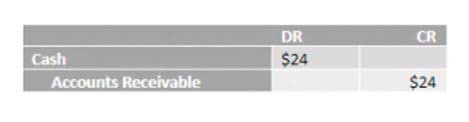
Journal entries for inventory transactions record purchases as a debit to the inventory account and a corresponding credit to the accounts payable or cash. Sales transactions would typically involve debiting cost of goods sold and crediting inventory. This is a crucial decision on which the future of your firm may rely. So, take all the time you need and decide as per your needs and requirements.
Applications like Microsoft Teams, Slack, and business phone apps allow you gross vs net to create different channels. These can be dedicated to other goals and helps organize the communication process. 58% of enterprises today use cloud accounting solutions to keep up with their bookkeeping demands.